China has called the US maritime blockade of Iranian ports "irresponsible and dangerous".
The Chinese foreign ministry said the move "would further undermine the already fragile ceasefire agreement" and threaten the safety of vessels passing through the Strait of Hormuz, a critical waterway that Iran has effectively closed in response to US-Israeli strikes.
The blockade came into force on Monday, a day after peace talks between the US and Iran broke down in Pakistan.
US President Donald Trump said the measure was aimed at forcing Iran to abandon its nuclear ambitions. Analysts say the move is also aimed at pressuring China - Iran's biggest buyer of oil - to encourage Tehran to reopen the strait.
Iran's ambassador to the UN described the US blockade as "a grave violation" of Tehran's sovereignty.
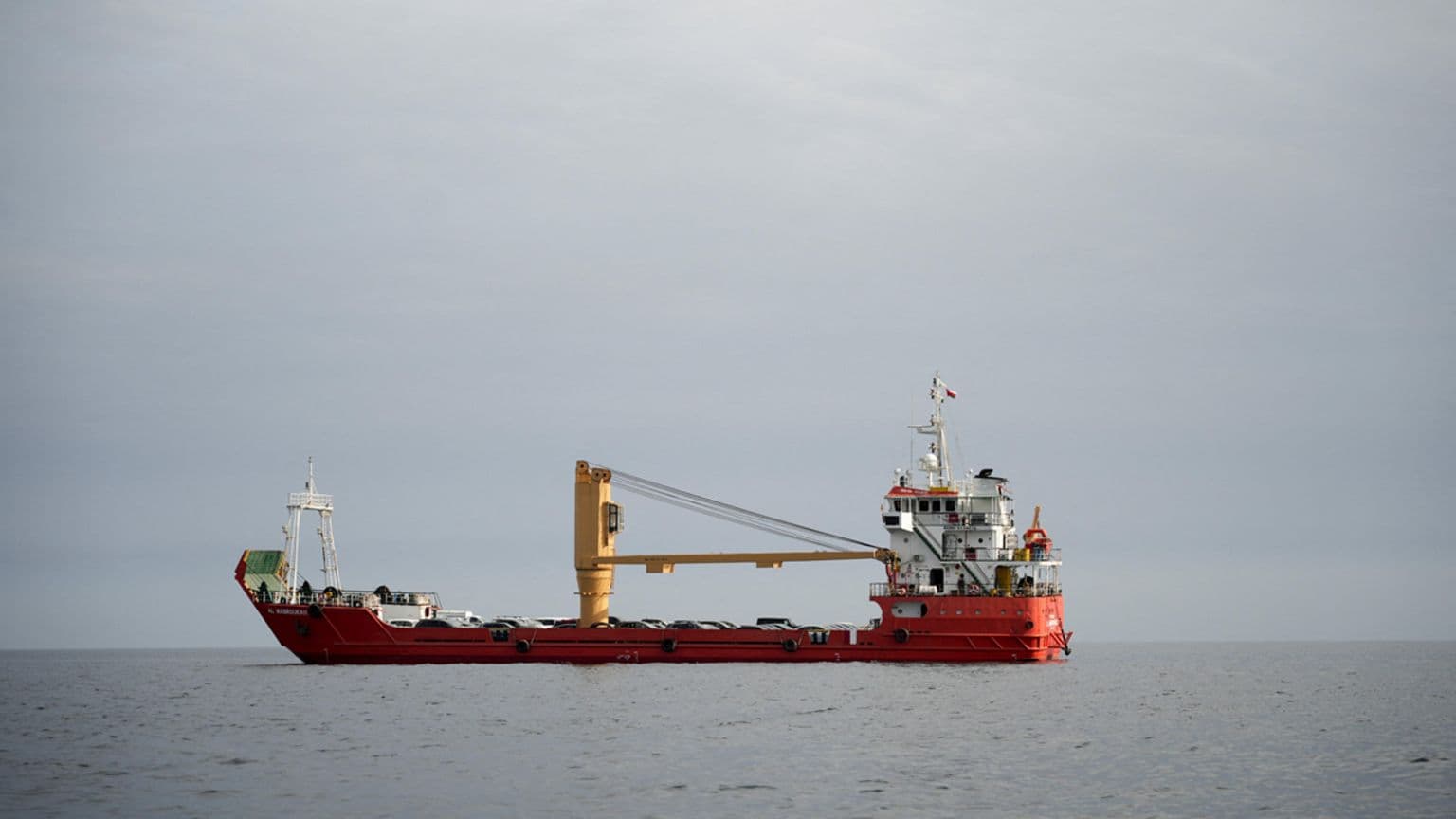
So far, Chinese vessels have been among the few able to pass through the strait. It is unclear whether they had to pay a toll to do so.
The US blockade could potentially halt China's supplies and have far-reaching consequences for its economy.
"China believes that only a comprehensive ceasefire and an end to the war can create conditions to ease the situation in the strait," Chinese foreign ministry spokesman Guo Jiakun said.
"China calls on all parties to abide by ceasefire agreements, focus on the general direction of dialogue and peace talks, take practical measures to ease the regional situation, and restore normal traffic in the strait as soon as possible."
Guo also told a news conference on Tuesday that reports that China was preparing to supply Iran with new air defence systems were "completely fabricated".
Trump has threatened to impose a 50% tariff on China if military aid is provided to Tehran.
"If the US insists on using this reason to impose additional tariffs on China, China will surely take decisive countermeasures," Guo said.
This comes after US Vice-President JD Vance accused Iran of "economic terrorism" for its blockade of the Strait of Hormuz - after attacking and threatening ships passing through last month.
"As President Trump has shown, two people can play this game," he told Fox News.
"If the Iranians try to engage in economic terrorism, we will enforce a simple principle that Iranian ships will not pass."
The US has said its military will not interfere with vessels using the strait to reach non-Iranian ports.
It is targeting Iran's Gulf ports in the Gulf of Oman and the Indian Ocean with its naval force operation, rather than risk its ships close to Iran's coastline.
But BBC Verify's analysis of shipping data shows that at least four Iranian vessels crossed the Strait of Hormuz on Tuesday.
Oil prices fell below $100 a barrel on Friday.
The fragile and fragile ceasefire between the US and Iran remains in place, which was brokered on 8 April.
The main sticking points between the two sides include the status of the Strait of Hormuz and whether Lebanon is involved in the agreement.
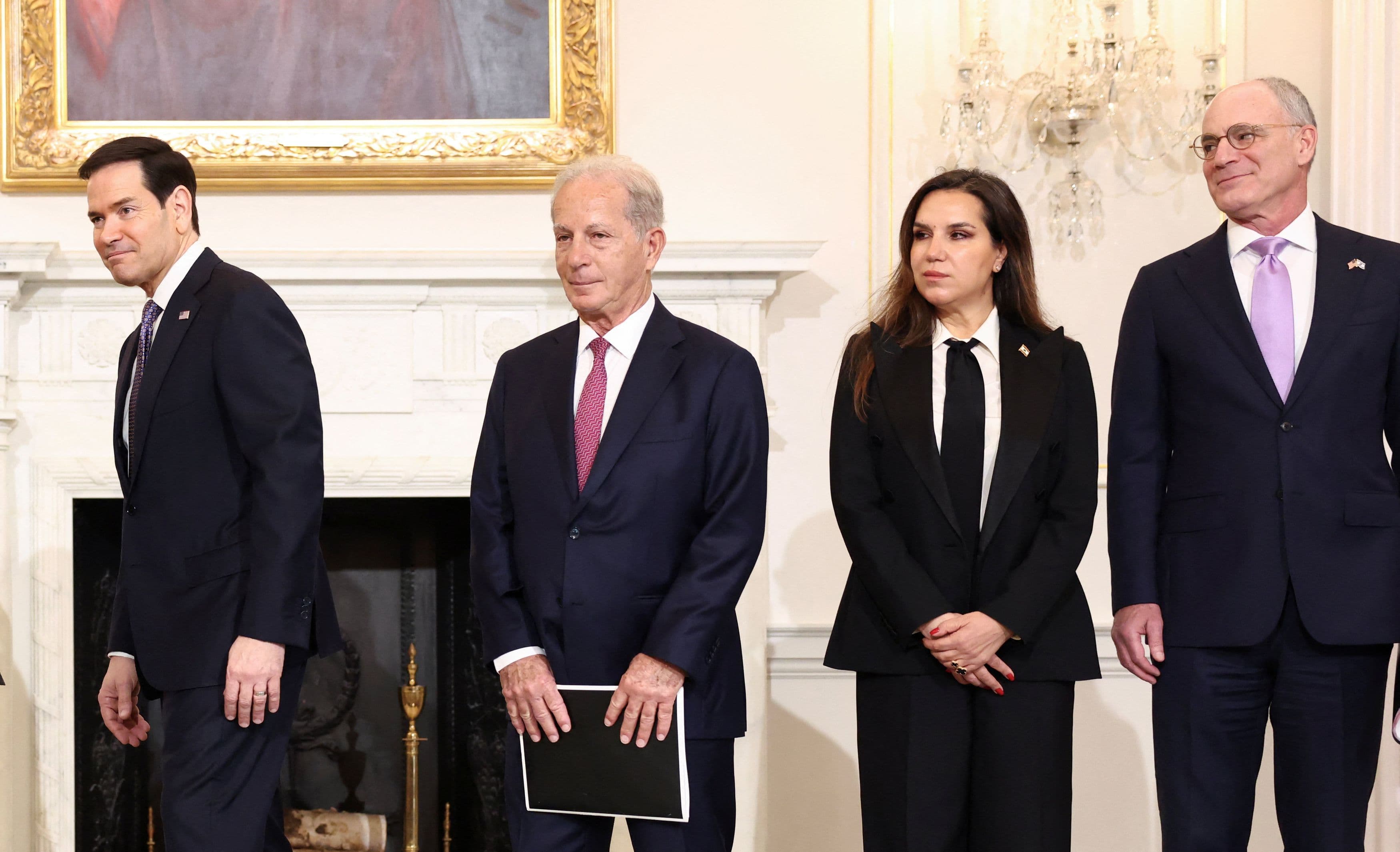
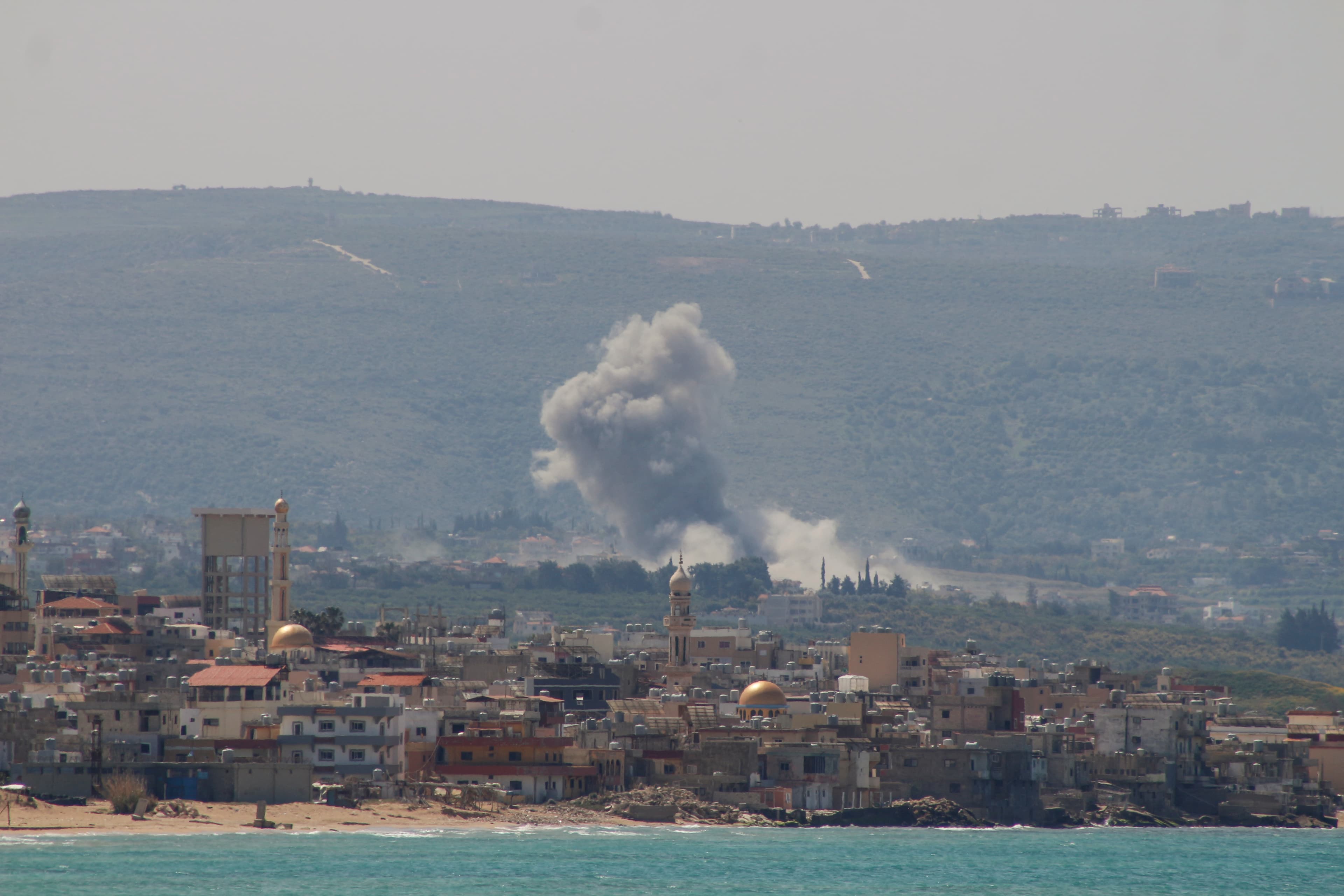
Israel claims the ceasefire only applies to Iran and continues heavy strikes against Hezbollah, killing hundreds. Direct talks between Lebanese and Israeli officials are set to take place in the US - the first such talks in decades.