Many TikTok users in the US have reported reassessing their relationship with the platform after its ownership and terms of service changed, with some citing censorship and a lack of trust as reasons for leaving the app.
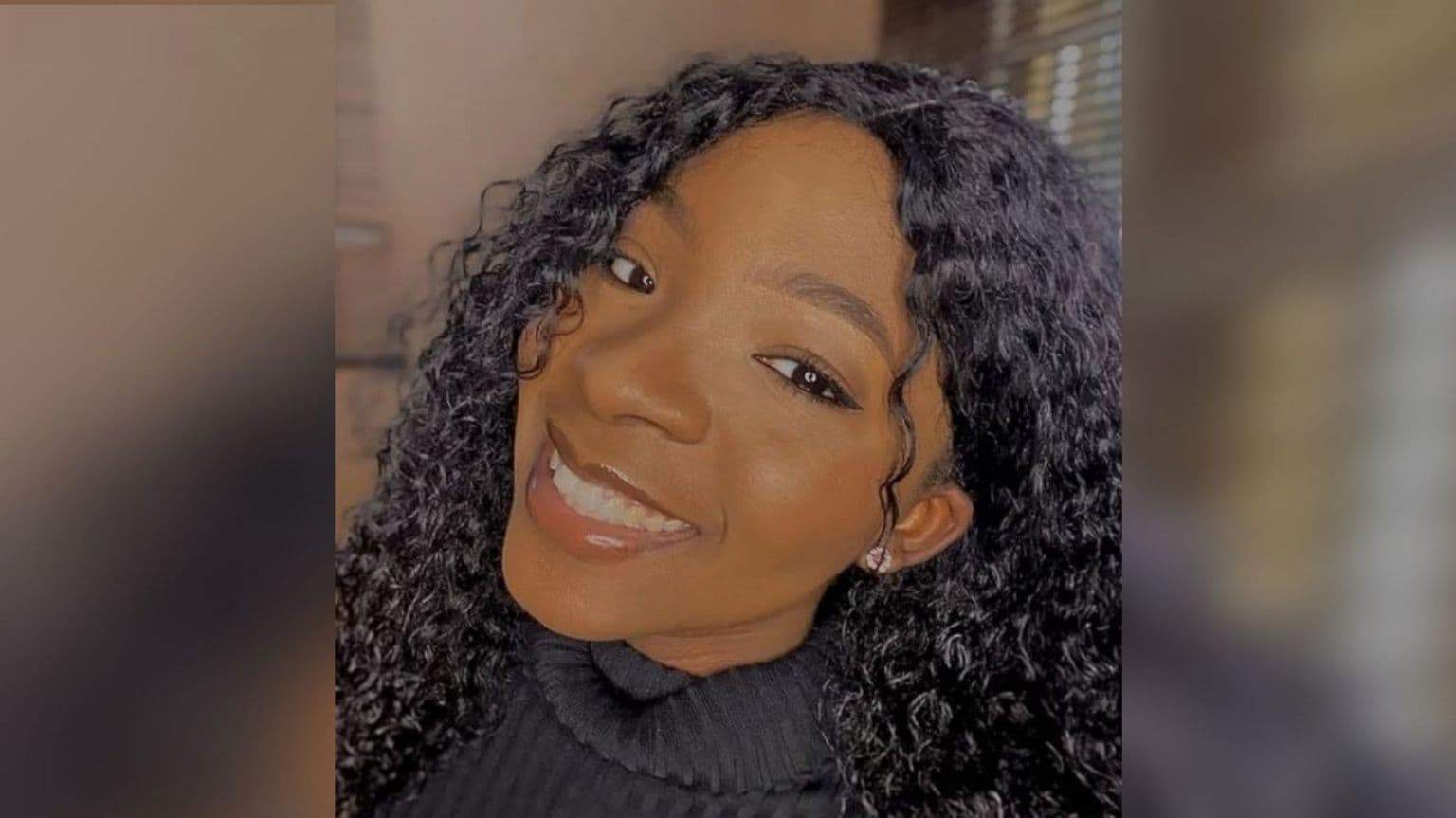
26-year-old comedian Kara Sullivan said TikTok launched her career and provided a pathway to securing a manager and literary agent.
"I'm not one of those creators who's TikTok-hating," Sullivan, who has over half a million followers on the platform, said. "I'm very transparent about how much of where I am in my career is because of TikTok."
That's why, she said, "it's really sad" for her to be distancing herself from the platform – at least for now.
TikTok, the short-form video platform owned by Chinese company ByteDance, has faced criticism since announcing plans to create a new US-owned entity in an attempt to stave off a US ban. Investors in the majority US-owned entity include Oracle, owned by Trump ally Larry Ellison, private investment firm Silver Lake and Abu Dhabi's Mubadala, which will own 80.1% of the new entity. ByteDance will own the remaining 19.9%.
The announcement comes five years after Donald Trump first threatened to ban the popular app in the US during his first term.
TikTok's new deal was accompanied by changes to the app's terms and conditions, reports of technical issues, and growing debates among users and creators about privacy and censorship. The number of daily average TikTok app downloads by US users increased by 195% between 22 January and 28 January compared to the previous 90 days, according to data collected by Sensor Tower, a market intelligence firm.
Many social media users have expressed concerns about language in the app's terms that specifically mentions the types of data TikTok collects on its users, including "racial and ethnic origin" and "sexual life or sexual orientation, transgender or non-binary status, citizenship or immigration status or financial information."
This language was present in a previous version of the platform's terms, which were updated in 2024, but a notable new feature of the terms is the collection of precise location data (unless opted out of) as reported by Mashable.
Julie, a 32-year-old caregiver in Washington, told the Guardian she deleted the app as soon as she heard about the company's new deal.
"I trust Oracle and Ellison as much as I trust eating a raw burger on a hot summer day," she said.
After the killing of Alex Pratte by ICE agents, some content creators have expressed concerns that videos critical of the federal agency on TikTok were being suppressed.
Comedian Meg Stalter wrote on Instagram that a video she made encouraging fellow Christians to speak out against ICE tactics did not post on the app. In response, she decided to delete the app.
"We are under new ownership and we are completely censored and monitored," she wrote in her post.
California governor Gavin Newsom expressed concerns about potential TikTok censorship on X earlier this week, writing: "After the sale of TikTok to a Trump-affiliated business group, our office has received reports and independently confirmed cases that are critical of President Trump being censored." Newsom announced that the state will launch an investigation into the platform and whether it is violating California law by censoring anti-Trump content.
TikTok USDS Joint Venture blamed technical issues on a power outage at a US data center that was not related to weekend events. On 27 January, the entity made the following statement: "We have made significant progress in restoring our US infrastructure with our US data center partner. However, US users may still experience some technical issues, including when posting new content. We are committed to bringing TikTok back to full capacity as soon as possible."
A 21-year-old software engineer who requested anonymity first encountered TikTok in 2020 as a high school junior.
"I was amazed at how quickly it learned my interests, followed trends, and recommended things I never even searched for," he said. "Better or worse, I probably used it for at least four hours a day."
He said he stayed on the app that long because of the quality of its algorithm; but after TikTok temporarily shut down in the US in January 2025, he began noticing differences.
"I didn't like how the pop-up showed Trump as a 'savior' who would bring TikTok back if he were in power," he said. "After its return, I noticed a significant drop in the quality of recommendations."
Sullivan also noticed significant changes after TikTok's brief outage, including a drop in revenue from the company's creator fund. After noticing potential censorship issues, including the blocking of Palestinian journalist Bissan Ouda, who had 1.4 million followers on the app, Sullivan decided to distance herself from TikTok.
"In the internet ecosystem, you need to create different pathways for yourself because you can't rely on one platform," she said. "The algorithm can change at any time."