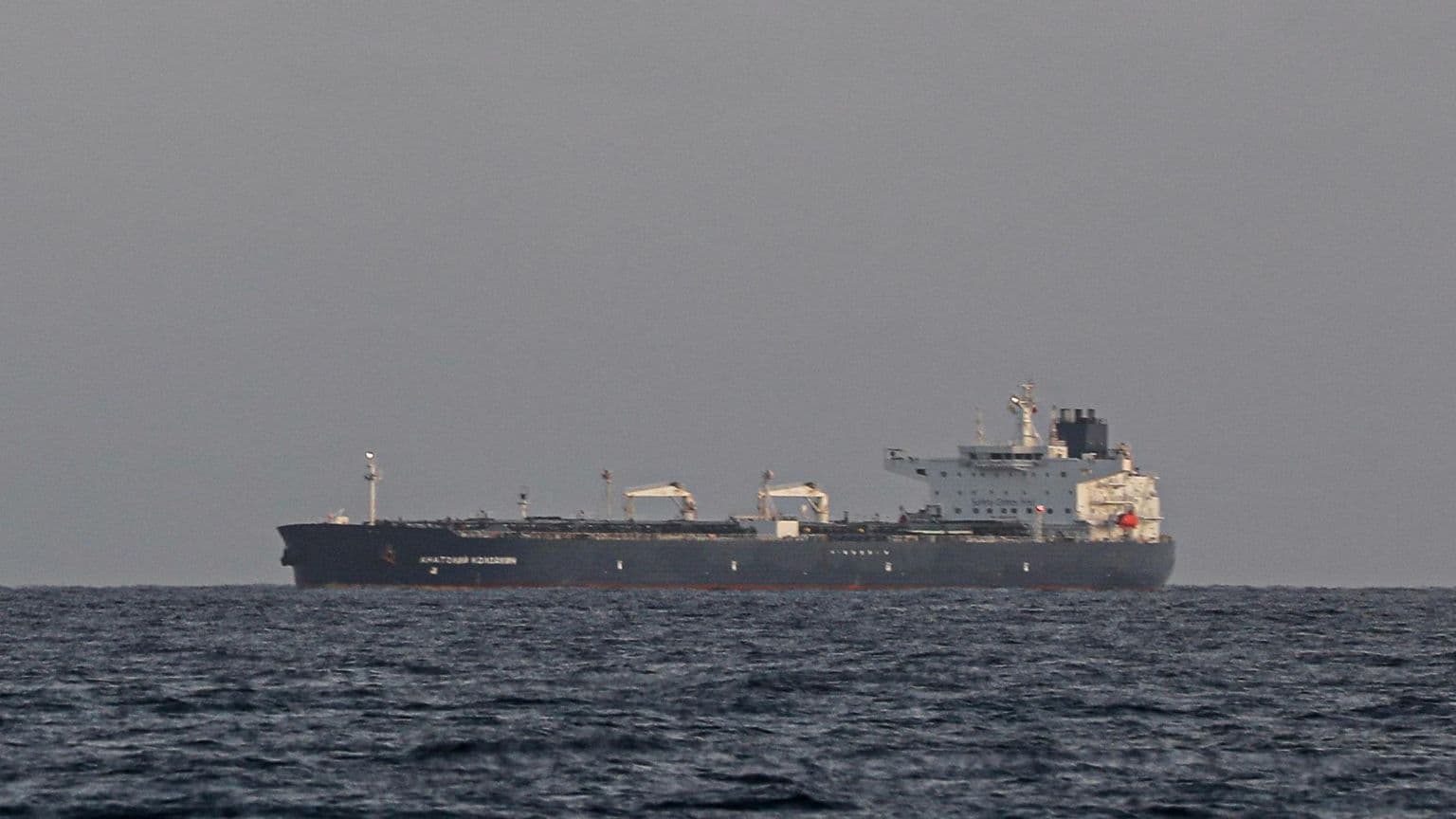
A Russian-owned tanker carrying approximately 730,000 barrels of crude oil has docked at a northern Cuban port, effectively ending the U.S.'s near-complete fuel blockade of the communist-run island.
The arrival of the tanker marks the first shipment of crude oil to dock at one of Cuba's ports since early January.
This comes after a perceived easing of Washington's oil embargo following President Trump's announcement last weekend that he "has no problem" with countries sending fuel to Cuba.
The country has been plagued by a series of nationwide blackouts and most hospitals have been unable to function normally, with strict rationing in place.
The Anatoly Kolodinsky oil tanker arrived at Port Matanzas, east of Havana, on Tuesday.
President Trump said on Sunday that he had no problem with other countries sending oil to the island because "the Cubans have to survive."
Cuba was cut off from its oil supplies at the start of January after U.S. forces seized its main regional ally, Venezuela's socialist leader Nicolas Maduro - and Trump threatened to impose tariffs on countries that sent oil to the island.
White House spokeswoman Caroline Kennedy said on Monday: "We allowed that ship to come to Cuba to meet the humanitarian needs of the Cuban people. These decisions are made on a case-by-case basis."
However, Washington has said the policy change was not a policy change and the oil embargo remains in place.
Although crude oil is now in Cuba, it still needs to be processed at the aging refinery in Havana - a process that could take more than a week.
The island has felt the effects of the blockade as most hospitals have been unable to function normally and schools and government offices have been forced to close. The main economic driver of tourism has also been affected.
Drivers are limited to purchasing a maximum of 20 liters at gas stations, for which they must join a waiting list via a state-run app. Waiting times can last several weeks and fuel must be paid for in U.S. dollars.
Analysts say the Russian oil will only give Cuba's economy a few weeks. Jorge Piñon, an expert on Cuba's energy sector at the University of Texas at Austin, said the more urgent need is diesel, which can be used for backup power generators or transportation systems.