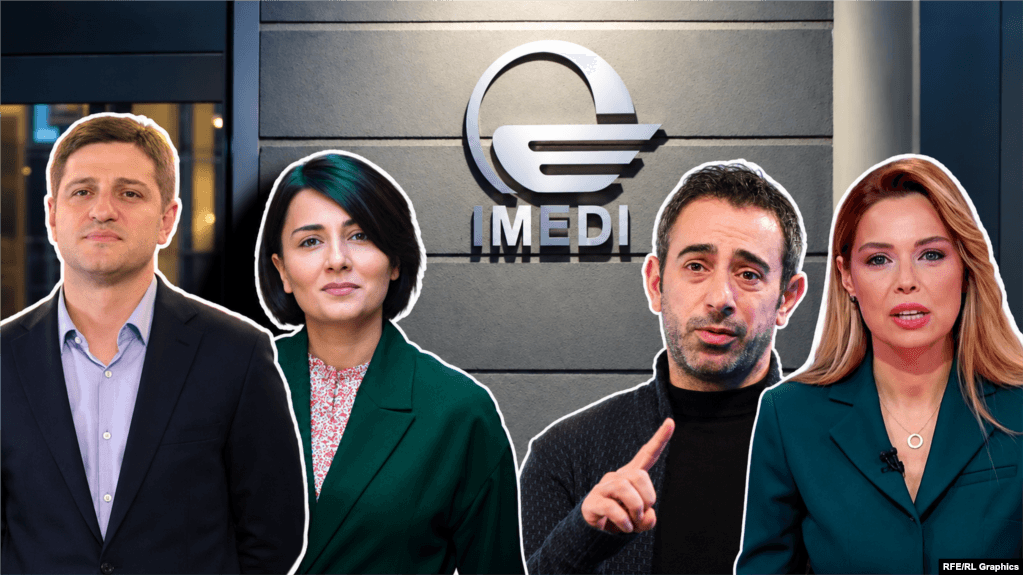
„მოღალატეები“ მილიონობით მაყურებელს TV ეკრანთან აბრუნებს — საქართველოში კი ტელევიზიები გადარჩენისთვის იბრძვიან
OpenAI-მ მოწინავე AI-მოდელების სწავლება განაახლა. რას ამბობს გარე აუდიტი?
„რატომ მე?“ — როგორ გამოეხმაურა საერთაშორისო პრესა კვარაცხელიას ტრავმას
აშშ-ის უწყებებში DeepSeek-ის აკრძალვას ჩინეთი საპასუხო ზომების მუქარით გამოეხმაურა
A
I
NEWS
ბოლო ინფორმაცია

საქართველოს მოქალაქეებისთვის ევროკავშირთან უვიზო მიმოსვლის ამოქმედებიდან თითქმის ათი წელი სრულდება. თუმცა საიუბილეო თარიღამდე სულ რამდენიმე კვირით ადრე — 2027 წლის 6 მარტს — დადგება ვადა, რომელმაც შესაძლოა ამ შესაძლებლობის შემდგომი ბედიც განსაზღვროს.საქართველოს მოქალაქეებისთვის ევროკავშირისა და შენგენის ზონის ქვეყნებში უვიზო მიმოსვლა 2017 წლის 28 მარტს ამოქმედდა. ბიომეტრიული პასპორტის მფლობელებს მიეცათ შესაძლებლობა, შენგენის სივრცეში ვიზის გარეშე, ნებისმიერი 180-დღიანი პერიოდის განმავლობაში მაქსიმუმ 90 დღე გაატარონ. რეჟიმი ვრცელდება ტურისტულ, ოჯახურ, სასწავლო, სამედიცინო და საქმიან ვიზიტებზე, თუმცა არ იძლევა ევროკავშირში მუშაობის ან მუდმივად ცხოვრების უფლებას.თითქმის ათი წლის განმავლობაში უვიზო მიმოსვლა საქართველოს ევროპული ინტეგრაციის ერთ-ერთ ყველაზე თვალსაჩინო და მოქალაქეებისთვის ხელშესახებ შედეგად იქცა. მან ევროპა ბევრად უფრო ახლოს მოიტანა — არა პოლიტიკური დეკლარაციების, არამედ ადამიანების ყოველდღიური გამოცდილების დონეზე.მილიონზე მეტი მოქალაქე — ვიზის გარეშე ევროპაშიევროკავშირის მიერ გამოქვეყნებული მონაცემებით, უვიზო რეჟიმის ამოქმედებიდან პირველ წლებში ევროკავშირში ვიზის გარეშე 1.15 მილიონზე მეტმა საქართველოს მოქალაქემ იმოგზაურა. ბევრი მათგანი ევროპაში არაერთხელ გაემგზავრა, შესაბამისად, საზღვრის გადაკვეთისა და ვიზიტების საერთო რაოდენობა გაცილებით მაღალია.უვიზო მიმოსვლამ მოქალაქეებს მისცა შესაძლებლობა:• მოენახულებინათ ევროკავშირის ქვეყნებში მცხოვრები ოჯახის წევრები;• ესარგებლათ მოკლევადიანი სასწავლო და პროფესიული პროგრამებით;• მონაწილეობა მიეღოთ კონფერენციებში, კულტურულ და ბიზნესღონისძიებებში;• მიეღოთ სამედიცინო მომსახურება ევროპულ კლინიკებში;• ემოგზაურათ ნაკლები ბიუროკრატიული და ფინანსური ბარიერით.განსაკუთრებით მნიშვნელოვანი აღმოჩნდა ოჯახური კავშირების გამარტივება. ევროპის ქვეყნებში ასობით ათასი საქართველოს მოქალაქე ცხოვრობს და უვიზო მიმოსვლამ მათ ოჯახის წევრებს რეგულარული შეხვედრის შესაძლებლობა მისცა.ეკონომიკური კავშირები და ფულადი გზავნილებიუვიზო რეჟიმის გავლენის მხოლოდ ფულადი გზავნილებით გაზომვა შეუძლებელია და მათი ზრდა მთლიანად ვიზალიბერალიზაციას ვერ მიეწერება. თუმცა სტატისტიკა კარგად აჩვენებს, რამდენად გაღრმავდა საქართველოს მოქალაქეების ეკონომიკური კავშირები ევროპასთან.2013 წელს საქართველოში მიღებული ფულადი გზავნილების საერთო მოცულობა დაახლოებით 1.5 მილიარდი დოლარი იყო, ხოლო 2022 წელს მან 4.4 მილიარდ დოლარს მიაღწია. ეს თანხა მთლიან გზავნილებს მოიცავს და არა მხოლოდ ევროკავშირიდან მიღებულ ფულს.ამავე დროს შეიცვალა გზავნილების გეოგრაფიაც: 2013 წელს ევროკავშირის ქვეყნებზე გზავნილების დაახლოებით 26% მოდიოდა, ხოლო 2025 წლის ივნისში ევროკავშირის წილი თითქმის 45% იყო. მთავარ ევროპულ წყაროებს შორის იტალია, გერმანია და საბერძნეთი სახელდებოდა.ეს მონაცემები აჩვენებს, რომ საქართველოს მოქალაქეების ოჯახური, სოციალური და ეკონომიკური ცხოვრება სულ უფრო მჭიდროდ უკავშირდება ევროპას.პირველი შეჩერება უკვე ამოქმედდარიგითი მოქალაქეებისთვის, რომლებიც ჩვეულებრივ ბიომეტრიულ პასპორტებს ფლობენ, უვიზო მიმოსვლა ამჟამად კვლავ ძალაშია. თუმცა გაფრთხილების პირველი ეტაპი უკვე რეალურ შეზღუდვად იქცა.2026 წლის 6 მარტს ევროკომისიამ 12 თვით შეაჩერა უვიზო მიმოსვლა საქართველოს დიპლომატიური, სამსახურებრივი და ოფიციალური პასპორტების მფლობელებისთვის, როდესაც ისინი ევროკავშირში ოფიციალური მიზნით მიემგზავრებიან. ეს იყო ახალი, გაძლიერებული სავიზო შეჩერების მექანიზმის პირველი გამოყენება.შეზღუდვის პირველი ეტაპი 2027 წლის 6 მარტამდე მოქმედებს — საქართველოსთვის უვიზო მიმოსვლის ათი წლისთავამდე მხოლოდ 22 დღით ადრე.თუ ევროკომისიის მიერ დასახელებული პრობლემები ამ პერიოდამდე არ გამოსწორდება, შეზღუდვა შეიძლება კიდევ 24 თვით გაგრძელდეს. ევროკომისიას ასევე შეუძლია, ღონისძიება გააფართოოს და ის საქართველოს ყველა მოქალაქეს შეეხოს. უკიდურეს შემთხვევაში ქვეყანა შესაძლოა ევროკავშირის იმ სახელმწიფოთა სიაში გადავიდეს, რომელთა მოქალაქეებს შენგენის ზონაში შესასვლელად ვიზა სჭირდებათ.რა მოთხოვნები აქვს ევროკავშირს?საფრთხე მხოლოდ თავშესაფრის მაძიებლების რაოდენობას ან უვიზო ყოფნის ვადის დარღვევას აღარ უკავშირდება. ევროკომისიის შეფასებით, პრობლემა უფრო ფართოა და მოიცავს იმ პირობებს, რომელთა შესრულების შედეგადაც საქართველომ ვიზალიბერალიზაცია მიიღო.ევროკავშირის მიერ დასახელებულ მთავარ საკითხებს შორისაა:• ფუნდამენტური უფლებების, მათ შორის შეკრების, გამოხატვისა და გაერთიანების თავისუფლების დაცვა;• იმ კანონების გაუქმება ან შეცვლა, რომლებიც ევროკომისიის შეფასებით სამოქალაქო სივრცეს, დამოუკიდებელ მედიასა და ადამიანის უფლებებს ზღუდავს;• ანტიკორუფციული რეფორმების აღდგენა და ეფექტიანი აღსრულება;• საქართველოს სავიზო პოლიტიკის ევროკავშირის პოლიტიკასთან დაახლოება;• პირადობისა და სამგზავრო დოკუმენტების უსაფრთხოების გაუმჯობესება;• უსაფუძვლო თავშესაფრის მოთხოვნებისა და ევროკავშირში არალეგალურად დარჩენის შემთხვევების შემცირება.ევროკომისიის მერვე ანგარიშში ნათქვამია, რომ საქართველო 26 ქვეყანასთან ინარჩუნებს უვიზო რეჟიმს, მაშინ როცა ამ ქვეყნების მოქალაქეებს ევროკავშირში შესასვლელად ვიზა სჭირდებათ. ცალკე პრობლემად არის დასახელებული კიდევ 17 ქვეყნის მოქალაქეებისთვის საქართველოში უვიზოდ შემოსვლის შესაძლებლობა სპარსეთის ყურის თანამშრომლობის საბჭოს ქვეყნების ვიზის ან ბინადრობის ნებართვის საფუძველზე.მიგრაციული რისკებიც კვლავ რჩებაევროკომისიის მონაცემებით, 2024 წელს ევროკავშირის ქვეყნებში თავშესაფარი საქართველოს 14 530-მა მოქალაქემ მოითხოვა. ეს მაჩვენებელი 2023 წელთან შედარებით შემცირებული იყო, თუმცა ევროკავშირი მას კვლავ მაღალ მაჩვენებლად მიიჩნევს, განსაკუთრებით იმის გათვალისწინებით, რომ საქართველოს მოქალაქეთა განაცხადების დაკმაყოფილების მაჩვენებელი ძალიან დაბალია.ეს არის სფერო, სადაც პასუხისმგებლობა მოქალაქეებსაც ეკისრებათ. უვიზო რეჟიმი ნიშნავს მაქსიმუმ 90-დღიან ყოფნას 180 დღის განმავლობაში და არ იძლევა არალეგალურად მუშაობის, ვადის გადაცილების ან ევროკავშირის თავშესაფრის სისტემის უსაფუძვლოდ გამოყენების უფლებას.თუმცა საერთო რეჟიმის შენარჩუნების მთავარი პოლიტიკური და სამართლებრივი პასუხისმგებლობა ხელისუფლებას ეკისრება, რადგან ადამიანის უფლებები, მედიის თავისუფლება, ანტიკორუფციული პოლიტიკა, სავიზო კანონმდებლობა და დოკუმენტების უსაფრთხოება ინდივიდუალური მოქალაქეების გადასაწყვეტი საკითხები არ არის.უკვე გასული და მომავალი ვადები2025 წლის 14 ივლისს ევროკომისიამ საქართველოს ხელისუფლებას ოფიციალური წერილი გაუგზავნა და კონკრეტული რეკომენდაციების შესრულების შესახებ ინფორმაცია მოითხოვა. პასუხის წარდგენის ვადა 31 აგვისტო იყო. ევროკომისიის შემდგომი შეფასებით, მიღებულ პასუხში მნიშვნელოვანი პროგრესი არ ჩანდა, რამდენიმე მიმართულებით კი მდგომარეობა კიდევ უფრო გაუარესდა.შემდეგი პრაქტიკული ვადა ახლა 2027 წლის 6 მარტია. ეს არ არის მხოლოდ კალენდარული თარიღი — ამ დღეს დასრულდება დიპლომატიური და სამსახურებრივი პასპორტებისთვის დაწესებული შეჩერების პირველი 12-თვიანი ეტაპი და ევროკომისიას ექნება შესაძლებლობა, შეაფასოს, გამოსწორდა თუ არა ის გარემოებები, რომლებმაც შეზღუდვა გამოიწვია.ამიტომ საქართველოს უვიზო მიმოსვლის ათი წლისთავი შეიძლება ორ სრულიად განსხვავებულ რეალობაში შეხვდეს: როგორც წარმატებული ევროპული ინტეგრაციის შენარჩუნებულ მიღწევას, ან როგორც შესაძლებლობას, რომელიც უკვე დაკარგვის ზღვარზეა.გადასარჩენი არა მხოლოდ უვიზო რეჟიმიაუვიზო მიმოსვლა მხოლოდ აეროპორტში რიგის ან საკონსულოში საბუთების წარდგენის საკითხი არ არის. ის ნიშნავს განათლებაზე, ჯანმრთელობის დაცვაზე, პროფესიულ კავშირებზე, ოჯახის წევრებთან შეხვედრასა და ევროპასთან უშუალო კონტაქტზე უფრო მარტივ წვდომას.ამ შესაძლებლობის დაკარგვა ყველაზე მეტად სწორედ რიგით მოქალაქეებს დააზარალებს — სტუდენტებს, მცირე მეწარმეებს, მეცნიერებს, ჟურნალისტებს, პაციენტებსა და ემიგრანტების ოჯახებს.საქართველომ ვიზალიბერალიზაცია წლების განმავლობაში ჩატარებული რეფორმებით მიიღო. მის შესანარჩუნებლად კი საჭიროა არა ახალი დაპირებები, არამედ იმ პირობების რეალური და გაზომვადი შესრულება, რომლებზეც უვიზო რეჟიმი თავიდანვე იყო დაფუძნებული.2027 წლის 28 მარტს საქართველო უვიზო მიმოსვლის ათ წელს აღნიშნავს. მთავარი კითხვა ისაა, მივა თუ არა ქვეყანა ამ თარიღამდე მოქმედი უვიზო რეჟიმით — და დარჩება თუ არა ევროპაში თავისუფლად მოგზაურობის შესაძლებლობა მოქალაქეების ხელში.ფოტო სტატიის მთავარი ფოტო ზურაბ წერეთლის მიერ შექმნილ მონუმენტთან მარიამ ყვავაძის მიერ არის გადაღბული — „საქართველოს მატიანესთან“. კომპლექსის მშენებლობა საბჭოთა კავშირის არსებობის ბოლო წლებში, ე.წ. გარდაქმნის — „პერესტროიკის“ პერიოდში დაიწყო. მონუმენტის სვეტებზე საქართველოს მეფეები, დედოფლები, ქვეყნის ისტორია და ქრისტიანული მემკვიდრეობა უნდა ასახულიყო, თუმცა საბჭოთა კავშირი მანამდე დაიშალა, ვიდრე კომპლექსი დასრულდებოდა. ის დღემდე დაუმთავრებელია, რის გამოც ზოგიერთი თბილისელი მას ირონიულად „არაშენდას“ უწოდებს.ფოტოს გადაღების მომენტში მონუმენტს თავზე Wizz Air-ის თვითმფრინავი გადაუფრინდა. ამ ერთ კადრში საქართველოს ისტორიის ორი განსხვავებული ეპოქა და ორი ურთიერთსაპირისპირო მიმართულება გაერთიანდა: ქვემოთ დგას დაშლილი საბჭოთა სამყაროდან შემორჩენილი დაუმთავრებელი მონუმენტი, მის ზემოთ კი მიფრინავს თვითმფრინავი, რომელიც საქართველოს ევროპასთან აკავშირებს.2017 წელს საქართველოსა და ევროკავშირს შორის უვიზო მიმოსვლის ამოქმედების შემდეგ ევროპულმა დაბალბიუჯეტიანმა ავიაკომპანიებმა ბევრ ქართველს ევროპაში მოგზაურობა უფრო ხელმისაწვდომი გაუხადა. ათასობით მოქალაქისთვის ევროპა აღარ იყო მხოლოდ პოლიტიკური მისწრაფება ან შორეული იდეა — ის იქცა სივრცედ, რომლის ნახვა და გამოცდილებაც თავად შეეძლოთ: სწავლის, პროფესიული კავშირების, ოჯახის წევრებთან შეხვედრის, კულტურის გაცნობისა თუ უბრალოდ მოგზაურობის მიზნით.დღეს, როდესაც საქართველოს ევროპასთან უვიზო მიმოსვლის შენარჩუნება კითხვის ნიშნის ქვეშ დგას, ამ ფოტომ დამატებითი მნიშვნელობა შეიძინა. კადრი აღბეჭდავს არა მხოლოდ თბილისის თავზე გადაფრენილ თვითმფრინავს, არამედ ქვეყანას, რომელიც დაუმთავრებელ წარსულსა და იმ ევროპულ მომავალს შორის დგას, რომელიც მისმა მოქალაქეებმა საკუთარი თვალით უკვე ნახეს — და რომლის დაკარგვაც არ სურთ.
მეტის ნახვა
AI News•2 დღის წინ
უვიზოდ — რა მიიღო საქართველომ და როგორ შეიძლება შევინარჩუნოთ ეს შესაძლებლობა

AI News•3 დღის წინ
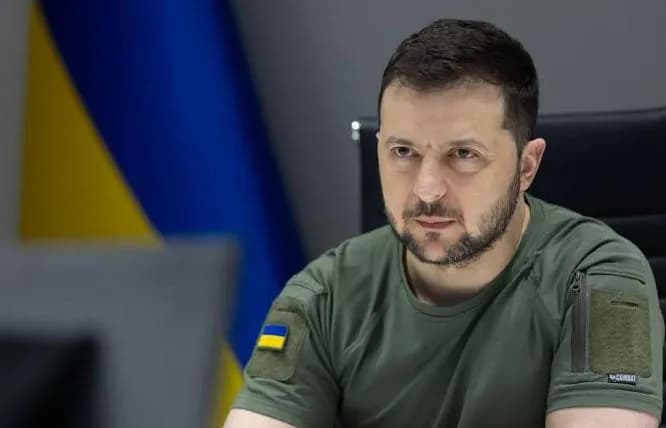
მელანია ტრამპის შუამავლობით რუსეთი და უკრაინა ხერსონის ოლქის ერთ-ერთ ქალაქში ცეცხლის შეწყვეტაზე შეთანხმდნენ

AI News•3 დღის წინ
საფრანგეთში ხელოვნური ინტელექტის დახმარებით დაწერილი წიგნებისთვის ლიტერატურული პრემია დააწესეს
AI News•2 დღის წინ
უვიზოდ — რა მიიღო საქართველომ და როგორ შეიძლება შევინარჩუნოთ ეს შესაძლებლობა
AI News•3 დღის წინ
მელანია ტრამპის შუამავლობით რუსეთი და უკრაინა ხერსონის ოლქის ერთ-ერთ ქალაქში ცეცხლის შეწყვეტაზე შეთანხმდნენ
AI News•3 დღის წინ
საფრანგეთში ხელოვნური ინტელექტის დახმარებით დაწერილი წიგნებისთვის ლიტერატურული პრემია დააწესეს

ვინ აკონტროლებს სამხედრო AI-ს? გაერო ახალ საერთაშორისო ფორუმს ხსნის
AI აგენტებს მხოლოდ გრაფიკული პროცესორები არ ჰყოფნით — Modal NVIDIA-ს Vera-ს გამოყენებას გეგმავს
ჩინეთი AI ტექნოლოგიების ექსპორტზე კონტროლს ამზადებს — რა შეიცვლება მოდელებსა და სერვისებზე წვდომაში
Nvidia ბრიტანეთს AI უსაფრთხოების კვლევისთვის $250 მილიონის გამოთვლით რესურსს გამოუყოფს — სად არის საქართველო ამ რუკაზე?
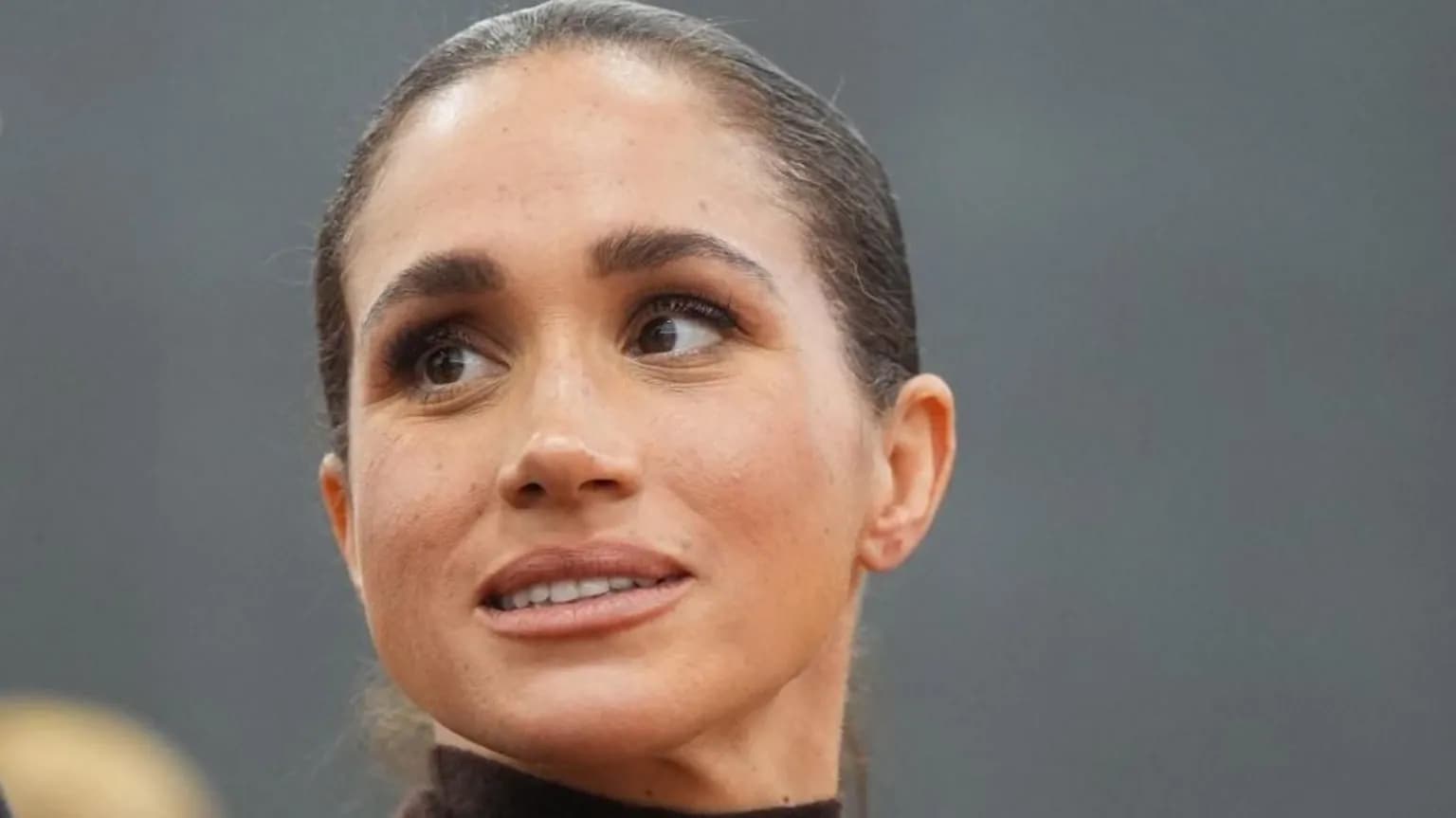
საფრანგეთში არეულობისას მოპარულ ნივთებს ონლაინ ყიდიან - Vinted-მა განცხადებების წაშლა დაიწყო
ალბანეთის პრემიერი საპროტესტო აქციების გაღვივებაში რუსეთსა და ირანს ადანაშაულებს, თუმცა მტკიცებულებებს არ ასაჯაროებს
„ჩვენ უნდა გავიგოთ გაბრაზებული ხალხის ხმა“ - მაკრონი მასშტაბური საპროტესტო აქციების შემდეგ
„ვეღარ ვსუნთქავთ“ - სიძვირისა და საბინაო კრიზისის წინააღმდეგ პროტესტი ევროპის ქვეყნებს მოედო
70 წლამდე პენსიონერებს პენსია 20-ის ნაცვლად 45 ლარით გაეზრდებათ
კომუნიკაციების კომისია უარყოფს, რომ კრიტიკულ ტელევიზიებს 93 სიტყვისა და ფრაზის გამოყენებას უკრძალავს
თამაზ ელიზბარაშვილი საპროცესო შეთანხმების გაფორმებას ითხოვს
ხუთი ოპოზიციური პარტიის აკრძალვის სარჩელს საკონსტიტუციო სასამართლოს ყველა მოქმედი მოსამართლე განიხილავს


Victoria’s Secret-მა 2026 წლის შოუს მონაწილეები დაასახელა - ვიხილავთ თუ არა მატილდა გვარლიანს?
„ბარბის“ რეჟისორის ახალი „ნარნია“ — პირველი ტრეილერი უკვე გამოჩნდა
Victoria’s Secret-ის ახალი ჩვენება და კასტინგის გარშემო უთანხმოება
ლატვიელმა რეჟისორმა AI-ფილმით 400 ათასი ევრო მოიგო — ხელოვნური ინტელექტის კინო დიდ ინდუსტრიად იქცევა

Amazon ვიდეოს რეალურ დროში გარდაამქმბელ AI სტარტაპ Decart-ის შეძენას განიხილავს
Reuters: Tesla ევროპის მარეგულირებლებზე ზეწოლას ახდენს თვითმართვის სისტემის დასამტკიცებლად
ილონ მასკი ინდოეთში იაფ Starlink-ს აანონსებს, მილიარდერებს შორის კონკურენცია მწვავდება
რეტროგრადული ვენერა და მერკური: რას უკავშირებს ასტროლოგია ამ პერიოდებს?