"Irish Don't Need to Apply" is a discriminatory phrase that was once used in job advertisements in parts of the UK and the US.
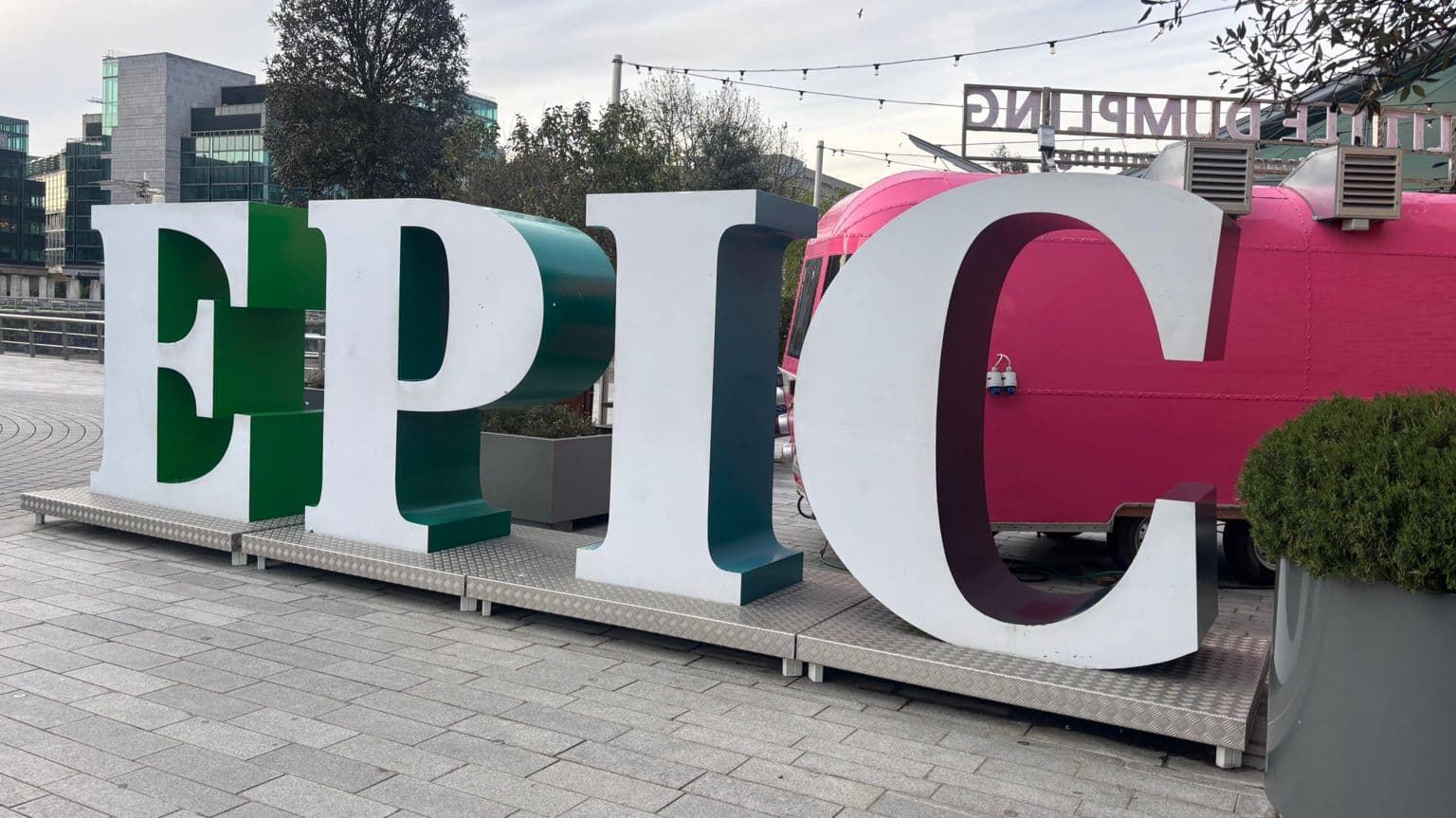
It is now the title of a new exhibition at the EPIC museum in Dublin, which explores the lives of Irish people who emigrated to England over the past 200 years.
Today, there are around 500,000 Irish-born people in England, and thousands of Irish people have emigrated to the UK over the centuries.
Researchers used "vital" records such as census data, birth, marriage, and death certificates, tracking infant mortality and life expectancy to measure living standards.
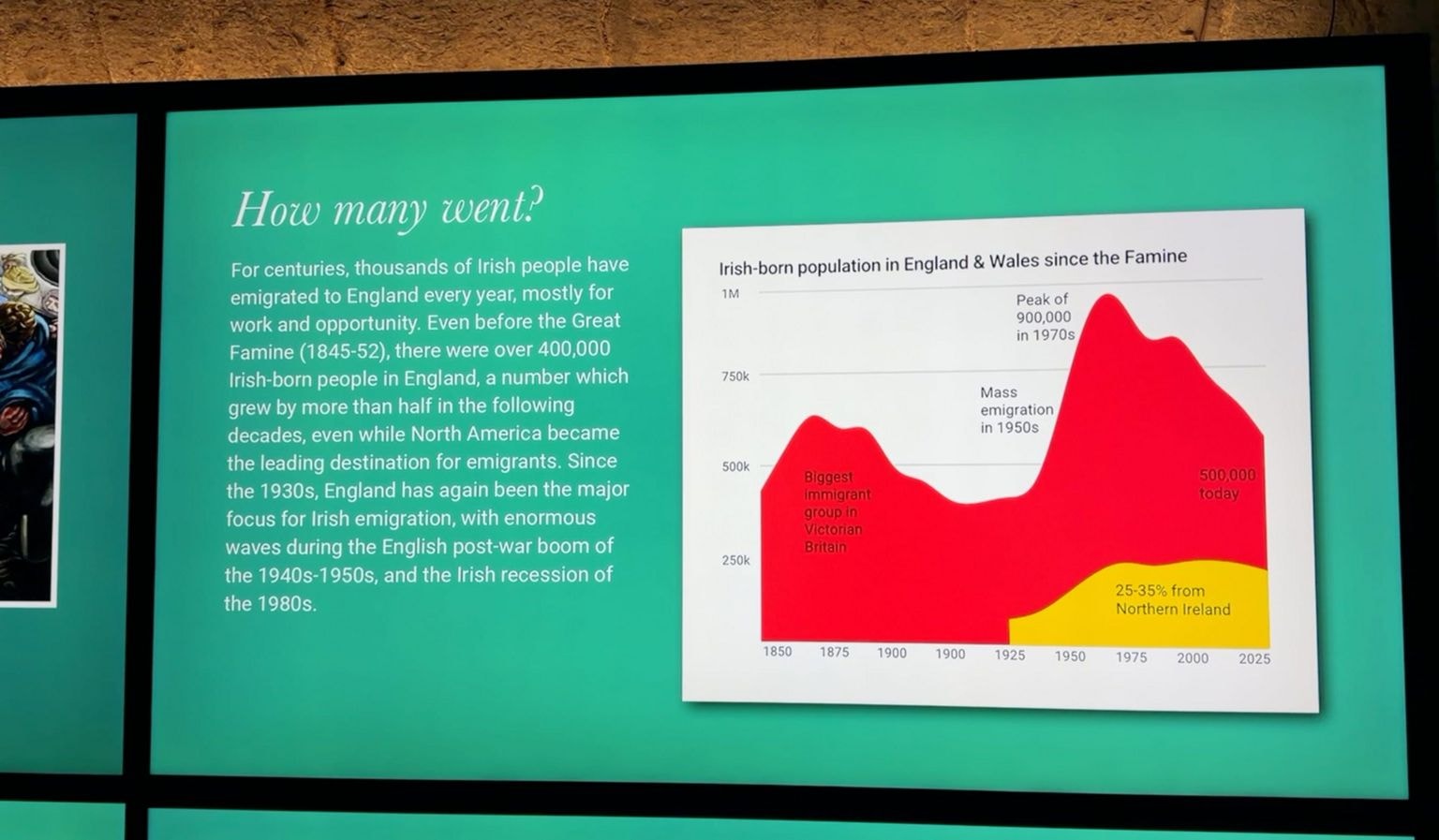
The number of Irish-born people in England peaked at around 900,000 in the 1970s, due to mass emigration in the 1950s.
Researchers at the London School of Economics (LSE) examined over 500,000 surnames from the 1911 UK census to create a list of so-called Irish family names, to track the economic and social well-being of the Irish community, including both emigrants and Irish-born people in England.
What they found suggests that while generations of English people gradually accumulated wealth, the Irish remained poor.
In the 1800s and 1900s, Irish people in England were on average 50% poorer than the English, according to the exhibition's research.
Before the famine (before 1845), there were over 400,000 Irish-born people in England.
This number increased by half in the following decades.
England has been a major focus of Irish migration since the 1930s, with large waves in the 1940s and 1950s, and during the Irish recession of the 1980s.
After the creation of Northern Ireland, 25% to 35% of Irish people emigrated from Northern Ireland.
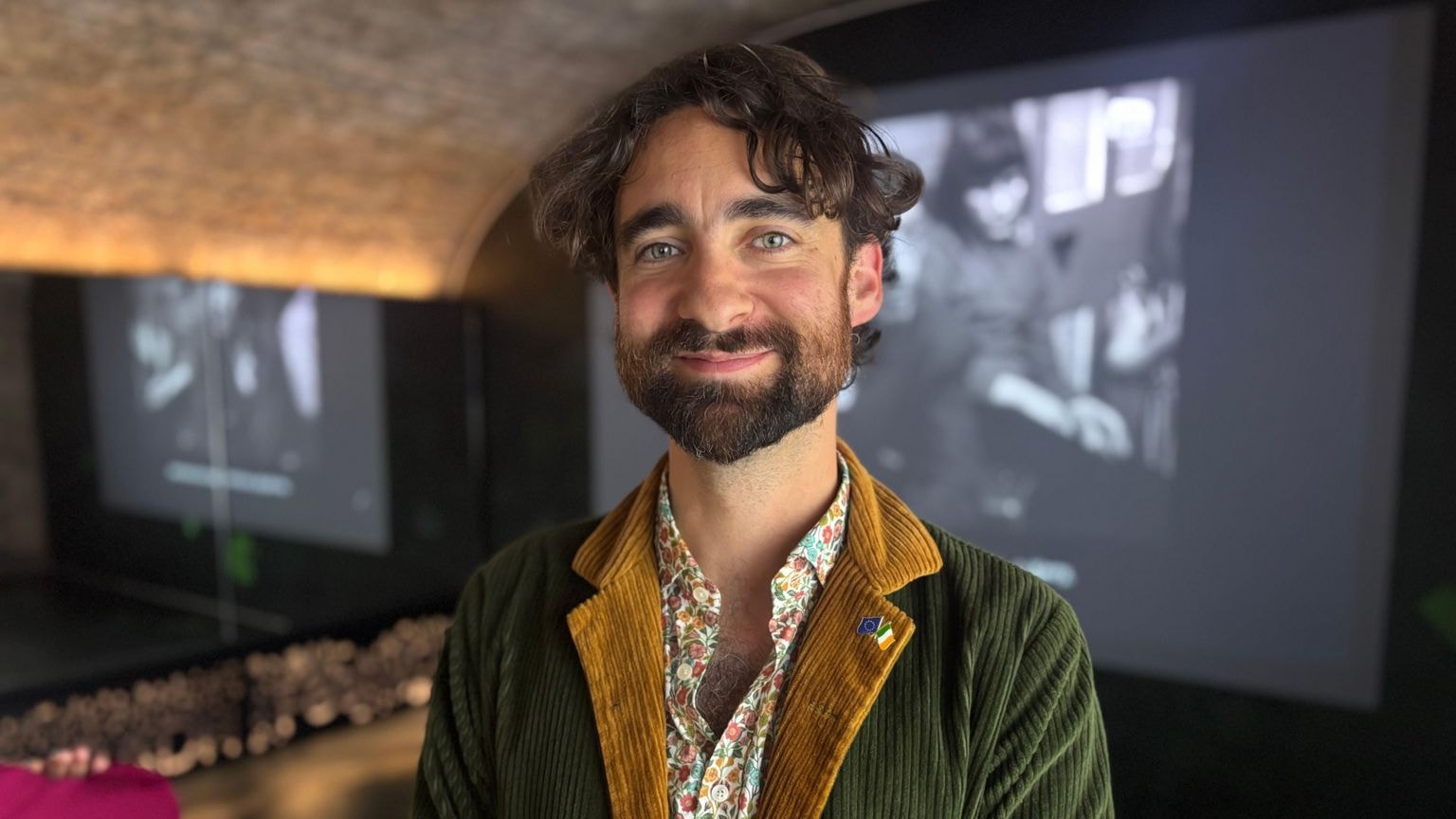
"At different times, about a quarter or a third of Irish people were from Northern Ireland, many of them going to work, many emigrating because of the difficulties in Northern Ireland at the time of the Troubles, but they were a very significant part of the Irish community in England," said curator Dr. Christopher Kissane.
Work was the main reason people left Ireland during any economic hardship at home, where there was no opportunity, low wages, and high unemployment, England was the place you went to try for a better life, to work and earn a better wage, millions of Irish people took that path.
Over 150 years, we find that Irish people were significantly poorer than their English neighbors, this is an important part of the research."
Researchers used "vital" records such as birth, marriage, and death certificates, tracking infant mortality and life expectancy to measure living standards.
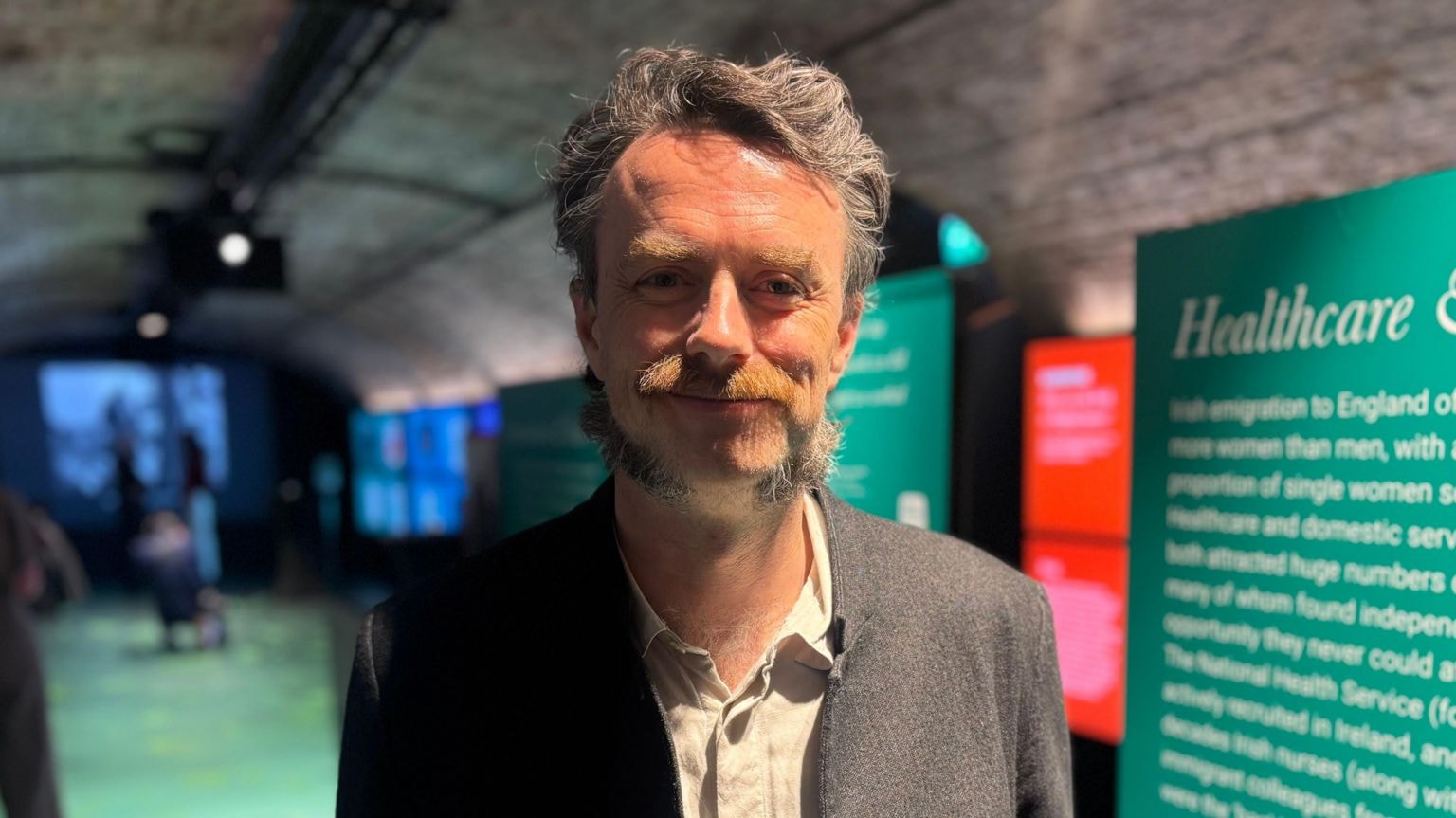
Professor Neil Cummins analyzed some of these records, shedding light on what life was like for Irish people in England over the past 200 years.
But why did Irish people have such a difficult life in England?
Cummins said the "migration flow" from Ireland to England was dominated by low-educated, low-class Irish people.
"There is quite strong evidence, both anecdotal and statistical from colleagues at LSE, that there was specific discrimination against Irish people in the labor force."
"It seems there was an Irish penalty in England."
But Cummins, who has been living in England for about two decades, says life for Irish people is much better now in England.
"London, I think for me, is very different from an Irish person 50 years ago. It's a multicultural place where being Irish gives you a lot of advantages."
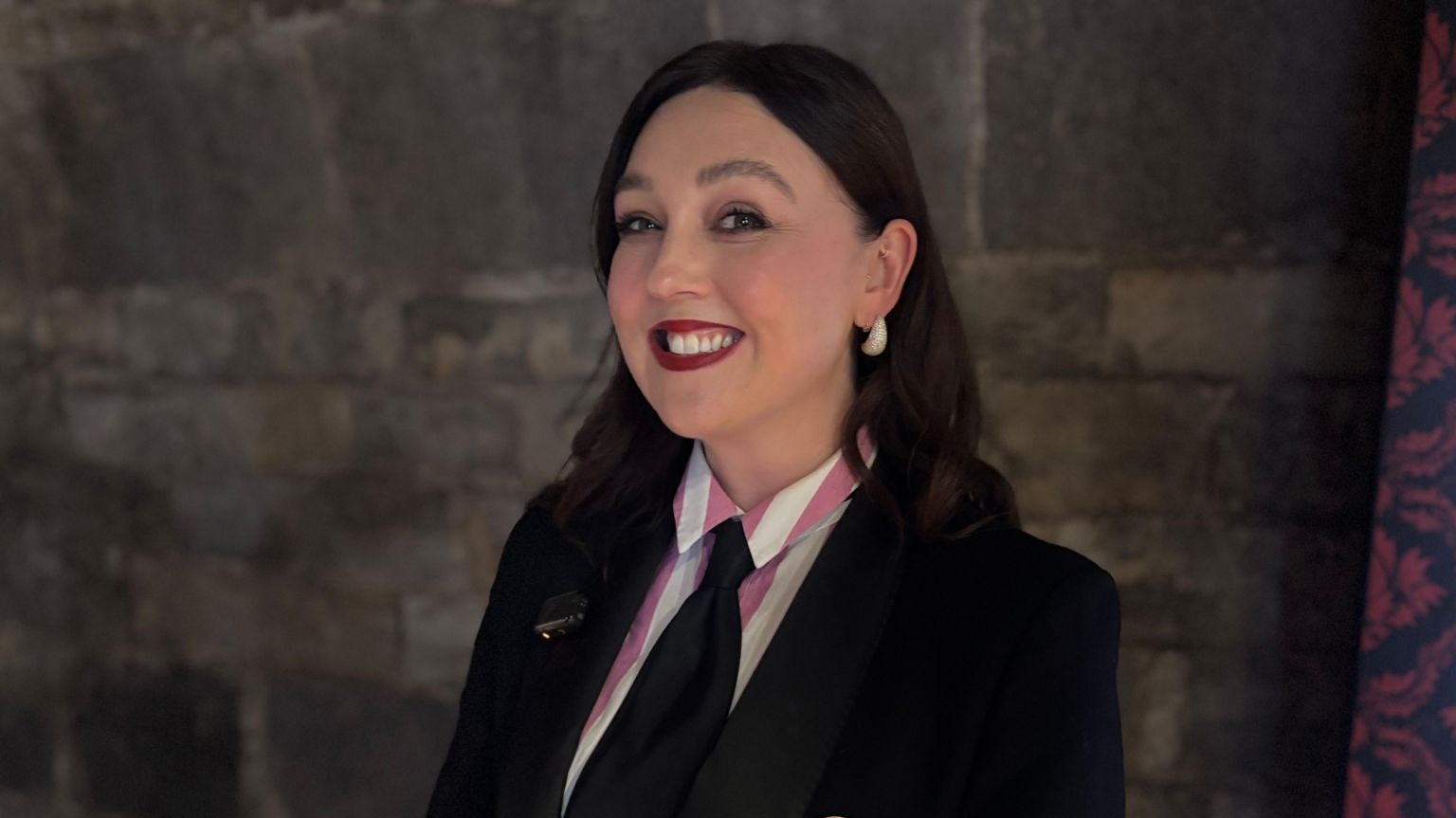
EPIC museum Communications Manager Holly McGlynn has lived in London for 16 years, moving there in 2008 with her boyfriend after the Irish financial recession of 2008.
She had three children in England and said she missed her family but "enjoyed the bright lights of London city."
"But then Covid hit and I reassessed my values," she told BBC NI.
"I had a very positive experience in London. People were always excited when they found out I was Irish."
Kissane said "a lot has changed" for Irish people in England in the past 30 years, mainly since the Celtic Tiger.
Irish people are no longer emigrating in such large numbers, and "those who do are highly skilled professionals and they are now some of the highest-paid people, so they have integrated."
"Irish people have gone from being one of the poorest groups in England to one of the best."